The Ultimate Guide to Growing and Caring for the Christmas Cactus (Schlumbergera)

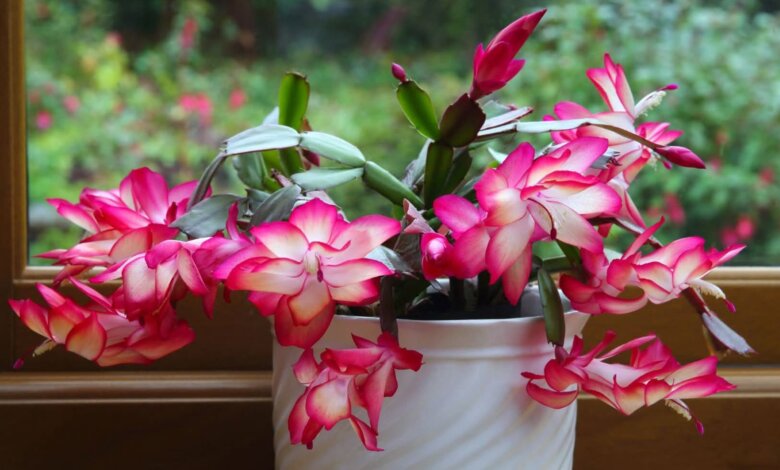
The Ultimate Guide to Growing and Caring for the Christmas Cactus (Schlumbergera)
The Christmas Cactus, scientifically known as Schlumbergera, is a beloved and elegant houseplant admired for its vivid blooms that brighten homes during the holiday season. Also called Santa Teresita, Forest Cactus, or Holiday Cactus, this tropical beauty differs greatly from the typical desert cactus — thriving instead in humid, shaded environments. With the right care, your Christmas Cactus can reward you with dazzling flowers year after year, becoming a cherished part of your indoor garden.
Origin and Characteristics
Unlike desert cacti that grow in arid regions, the Christmas Cactus originates from the tropical rainforests of Brazil, where it grows as an epiphyte — a plant that lives on trees rather than in soil, absorbing moisture and nutrients from the air and surrounding debris.
It features flat, segmented stems that resemble leaves, and during its blooming season, it produces spectacular tubular flowers in shades of red, pink, white, orange, or purple. Blooming typically occurs from late November to early January, aligning perfectly with the festive holiday period — hence the name Christmas Cactus.
Its graceful cascading stems make it a beautiful choice for hanging baskets or decorative pots, bringing a touch of natural elegance to any space.
Light Requirements
The Christmas Cactus prefers bright but indirect sunlight. Direct rays can scorch its tender stems and cause them to turn yellow or reddish. The ideal spot is near a north or east-facing window, where the plant receives soft, filtered light.
Too much sun → The stems may appear limp or sunburned.
Too little light → The plant may fail to bloom or grow leggy.
Tip: During winter, when daylight hours are shorter, you can move your cactus closer to a bright window or use a grow light to supplement natural light. Always make lighting changes gradually, as sudden shifts can shock the plant.
Watering Guidelines
Watering is one of the most crucial aspects of Christmas Cactus care. Unlike desert cacti, this tropical species enjoys slightly moist soil — but not soggy conditions.
When to water: Check the top inch (2.5 cm) of soil; if it feels dry to the touch, it’s time to water.
How to water: Water thoroughly until it drains from the bottom of the pot, then empty the saucer to prevent root rot.
Active season (spring to early winter): Keep the soil evenly moist, increasing watering slightly during blooming.
Dormant season (after flowering): Reduce watering to let the plant rest and prepare for the next bloom cycle.
To enhance humidity — especially during winter when indoor air tends to be dry — mist the plant occasionally or place it on a humidity tray with pebbles and water. This mimics its natural rainforest environment and keeps the plant vibrant.
Temperature and Environment
The Christmas Cactus thrives in moderate indoor temperatures between 60°F and 70°F (15°C to 21°C) during the day and slightly cooler nights. These conditions closely resemble its native habitat and encourage healthy growth.
Avoid exposing the plant to:
Sudden cold drafts
Temperatures below 50°F (10°C)
Heating vents or hot, dry air
Pro tip for blooming: In the fall, when temperatures begin to drop, place your plant in a cooler room (around 55°F–60°F / 13°C–15°C) for a few weeks. The cooler temperature and longer nights will help trigger the formation of flower buds.
Soil and Potting Mix
A well-draining soil mix is essential to keep your Christmas Cactus healthy. A light, airy, and slightly acidic mix works best.
Recommended soil blend:
1 part potting soil
1 part peat moss or coco coir
1 part perlite or coarse sand
This combination provides moisture retention while allowing good airflow to the roots. Always use a pot with drainage holes to prevent excess water buildup.
When repotting, choose a container that’s just slightly larger than the current one, as this plant prefers to be somewhat root-bound. Repotting every 2–3 years in the spring is ideal.
Encouraging Blooms
Getting your Christmas Cactus to bloom beautifully year after year requires a bit of timing and patience. Here’s how to ensure abundant flowers:
1. Rest period: After blooming ends (usually in January), reduce watering and stop fertilizing for about 6–8 weeks.
2. Light and temperature: Provide 12–14 hours of darkness each night and cool temperatures (55°F–60°F / 13°C–15°C) for about six weeks in early autumn.
3. Return to bright conditions: Once buds appear, return the plant to a brighter location and resume normal watering.
Avoid moving or rotating the plant while buds are forming, as this can cause them to drop prematurely.
Fertilizing
Feed your Christmas Cactus regularly during its growing season (spring through early autumn) with a balanced, water-soluble fertilizer diluted to half strength. A formula like 20-20-20 or 10-10-10 works well.
Frequency: Every 2–4 weeks during active growth
Skip feeding: During blooming and dormancy periods
You can also switch to a bloom-boosting fertilizer (higher in phosphorus) before the flowering season to encourage more vibrant blossoms.
Pruning and Propagation
After flowering, gently prune back the plant to shape it and encourage new branching. Simply twist or cut off a few segments from each stem — this not only keeps the plant tidy but also stimulates fuller growth.
Propagation tip: The removed stem segments can easily be propagated.
Let the cuttings dry for 1–2 days.
Place them in a moist mix of perlite and peat.
Keep them in bright, indirect light until roots develop in about 2–3 weeks.
You’ll soon have new plants to share or expand your collection!
Common Problems and Solutions
Problem Likely Cause Solution
Bud drop Sudden changes in light, temperature, or watering Keep conditions consistent and avoid moving the plant during budding
Yellow or limp stems Overwatering or poor drainage Let soil dry slightly and ensure pot has good drainage
No blooms Too much light or warmth during fall Provide cooler temperatures and longer dark periods in autumn
Shriveling stems Underwatering or low humidity Increase watering frequency and mist regularly
Final Thoughts
The Christmas Cactus (Schlumbergera) is more than just a holiday plant — it’s a symbol of warmth, patience, and beauty that can thrive for decades with proper care. Its vibrant flowers and graceful stems bring life to any home, especially in the winter months when most plants are dormant.
With the right combination of light, water, temperature, and attention, your Christmas Cactus will reward you with stunning blooms year after year — a timeless reminder of the joy and renewal that the holiday season brings.