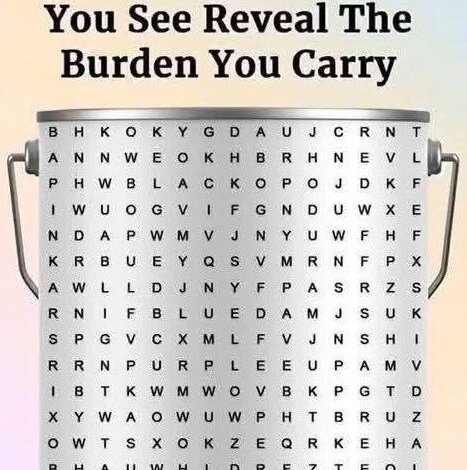
When Color Speaks Louder Than Words
Before we say a single thing, color starts the conversation.
The shades we choose to wear, the tones we fill our spaces with, the colors we instinctively reach for—they reveal truths we haven’t yet fully expressed. Color isn’t just decoration; it’s a language of emotion, a reflection of our inner selves that often speaks louder than words.
Many people think of color simply: “I like blue,” or “I don’t like yellow.” But these preferences aren’t random—they’re emotional clues. Colors hold meaning, revealing our desires, anxieties, and what we might be avoiding. Every hue we embrace tells a story. And every color we shy away from says just as much.
❤️ Red: The Beat of Life
Red is vibrant energy—passion, urgency, and visibility all wrapped into one.
Being drawn to red often means craving excitement, strength, or the desire to be noticed. Red is movement and demand—it commands attention and awakens the spirit.
But red also signals tension and frustration. Sometimes, people turn to red in difficult moments, as if to summon lost energy or courage. It’s the color that cries out when silence isn’t enough.
Avoiding red might suggest discomfort with confrontation—both with others and with oneself. Red challenges you to be bold. Steering clear can mean staying guarded, keeping emotions at bay.
Blue: Calm and Solitude
Blue is the deep breath after a storm—calm water, clear skies, and quiet reflection.
People drawn to blue often seek peace, clarity, or emotional stability. Blue soothes the mind and steadies the heart, which is why it’s found in spaces meant to relax and restore—bedrooms, spas, hospitals, and offices.
Yet blue can also hint at emotional distance. Those who favor blue may long for connection but fear intensity. Blue creates a safe emotional distance; it’s comforting but sometimes isolating. It whispers rather than shouts—a beautiful stillness that can either heal or hide us.
Green: Healing and Grounding
Green is nature’s comfort. It balances blue’s calm with yellow’s optimism, symbolizing growth, renewal, and balance. When green appeals to you, it often signals a need for healing or reconnection—with yourself, with others, or with nature.
It’s no coincidence that we seek out green spaces when life feels overwhelming. The color reminds us to slow down, breathe, and remember what’s real. Green grounds us—it is the color of steady hearts and open minds.
Yellow: Light and Awakening
Yellow is the spark of joy, the color of morning sunlight and fresh beginnings. It represents curiosity, hope, and mental clarity. When you’re drawn to yellow, you may be craving inspiration or a sense of renewal after a stagnant period.
But too much yellow can feel like glare—it can stir anxiety or restlessness. Those who avoid yellow might associate it with instability or overexposure, preferring the calm of cooler tones. Yet, even a small dose of yellow—like laughter or a new idea—can brighten an entire day.
Purple: Mystery and Intuition
Purple lives between red’s fire and blue’s peace—it’s the color of imagination and inner vision. Drawn to purple? You may have a reflective soul, one that values depth and meaning over noise and chaos.
Historically, purple has symbolized wisdom, creativity, and spirituality. It speaks to those who sense more than they can explain, who trust intuition as much as reason. But an excess of purple can also signal retreat—turning inward so deeply that the outer world begins to fade.
Black and White: The Extremes of Expression
Black absorbs everything—it’s strength, elegance, and mystery. People who wear black often seek control or simplicity. It’s the armor we put on when we want to appear untouchable. But black can also signify protection from pain or vulnerability.
White, by contrast, reflects everything. It represents purity, new beginnings, and clarity. Those who love white often crave peace or a fresh start. Yet too much white can feel empty, suggesting a desire to escape complexity or chaos.
The Silent Symphony of Color
Colors speak in ways words cannot. They whisper our moods, echo our histories, and reveal the hidden layers of our personalities.
To understand color is to understand yourself—your desires, your fears, and the emotional palette that paints your world.
So next time you reach for a shirt, choose a wall color, or stop to admire a sunset, ask yourself:
What story is this color telling for me today?