Most People Carry This Cold Sore Virus—But Few Know How to Control It
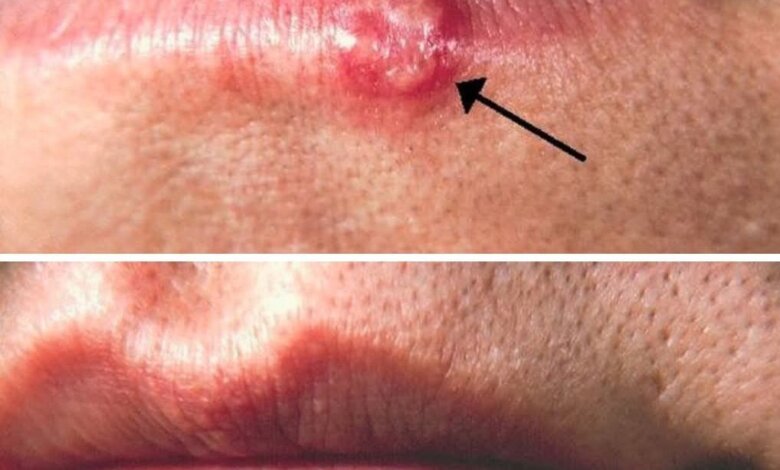
Cold sores—those annoying little blisters that pop up around the lips—are far more common than most people realize. Also known as fever blisters, they’re caused by the herpes simplex virus type 1 (HSV-1), one of the most widespread viruses in the world.
According to the World Health Organization (WHO), about 67% of people under age 50 are infected with HSV-1. Many never develop visible symptoms, while others deal with recurring outbreaks that can be painful, embarrassing, and frustrating.
So, what exactly causes cold sores—and what can you do to treat and prevent them? Let’s break it down.
What Causes Cold Sores?
Cold sores are the result of an HSV-1 infection, which is usually spread through direct oral contact like kissing or sharing utensils. Once the virus enters the body, it doesn’t go away. Instead, it hides inside nerve cells and can “wake up” again when triggered by certain factors, including:
Stress
Fatigue
Illness or fever
Hormonal changes
Extended sun exposure
When activated, the virus travels along the nerves to the skin, where it causes painful, fluid-filled blisters that eventually crust over and heal within a couple of weeks.
Symptoms to Watch For
The first sign of a cold sore often includes tingling, itching, or burning around the lips. This can be followed by:
Small clusters of blisters
Redness and swelling
Painful sores that may ooze or crust
Mild fever, muscle aches, or swollen lymph nodes in some cases
It’s important to recognize early signs so you can act quickly and reduce the severity of an outbreak.
How to Treat Cold Sores
While there’s no cure for HSV-1, treatments can help speed healing, reduce pain, and prevent the virus from spreading:
1. Antiviral Medications: Prescription creams like acyclovir or oral medications such as valacyclovir can limit the duration and severity of outbreaks if taken early.
2. Over-the-Counter Remedies: Topical creams, ointments, and patches can relieve pain, itching, and dryness.
3. Home Care: Keeping the area clean, avoiding touching the sores, and applying a cold compress can soothe discomfort.
Early intervention is key—starting treatment at the first tingling or burning sensation can significantly reduce healing time.
Preventing Cold Sores
Preventing outbreaks often involves managing triggers and maintaining good habits:
Limit direct contact: Avoid kissing or sharing utensils during active outbreaks.
Protect your lips: Use lip balm with SPF to prevent sun-triggered outbreaks.
Manage stress: Practice relaxation techniques such as yoga, meditation, or deep breathing.
Boost immunity: Maintain a healthy diet, exercise regularly, and get enough sleep.
Some people may benefit from daily antiviral medication if outbreaks are frequent or severe—this can reduce both the frequency of outbreaks and the risk of transmitting the virus to others.
When to See a Doctor
Seek medical advice if:
Cold sores are unusually severe or persistent
You experience frequent recurrences
The sores spread to the eyes or other areas of the body
You have a weakened immune system
A healthcare professional can recommend appropriate treatments and preventive strategies tailored to your needs.
Key Takeaways
HSV-1 is extremely common, and many people carry it unknowingly.
Cold sores are triggered by stress, illness, hormonal changes, and sun exposure.
Early treatment with antiviral medication is the most effective way to control outbreaks.
Prevention involves avoiding triggers, protecting your lips, managing stress, and maintaining a strong immune system.
By understanding the virus and recognizing early warning signs, you can minimize discomfort, reduce outbreaks, and prevent spreading HSV-1 to others.