The Growing Appeal of Small Homes: Why Less Space Is Becoming More Valuable

The Growing Appeal of Small Homes: Why Less Space Is Becoming More Valuable
In a world where bigger often seems better, a growing number of people are choosing a different path. Instead of pursuing large houses filled with countless possessions, many individuals and families are embracing the simplicity, comfort, and practicality of small-home living. From cozy cottages nestled in the countryside to modern tiny homes in urban areas, smaller residences are becoming a symbol of a more intentional and fulfilling lifestyle.
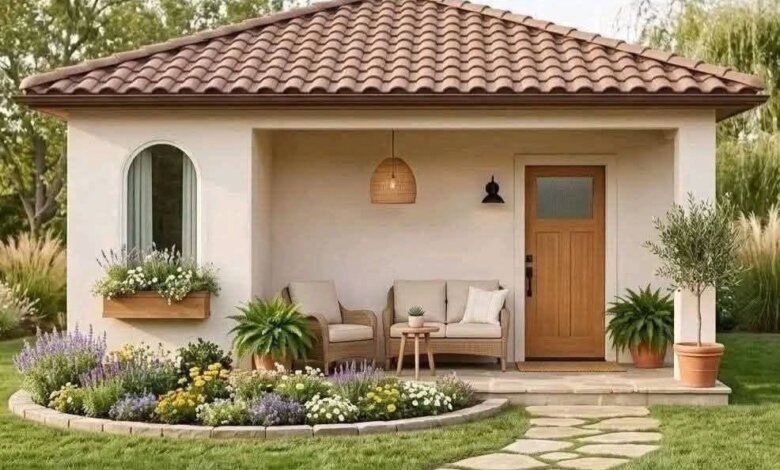
The charming cottage shown above perfectly captures the essence of this movement. Though modest in size, it offers warmth, beauty, and a sense of peace that many people find more valuable than extra square footage.
The Shift Toward Simpler Living
For decades, larger homes were often considered a sign of success. Expansive floor plans, multiple living rooms, and oversized garages became common aspirations. However, changing economic realities, environmental concerns, and evolving personal values have encouraged many people to rethink what truly makes a home desirable.
Today, more homeowners are discovering that happiness does not necessarily come from having more space. Instead, it often comes from creating a comfortable environment that supports their lifestyle without adding unnecessary stress or financial burden.
Small homes encourage people to focus on quality rather than quantity, prioritizing meaningful experiences and relationships over material possessions.
Why Small Homes Are So Attractive
1. Easier Maintenance
One of the greatest benefits of a smaller home is reduced upkeep. With fewer rooms to clean and maintain, homeowners spend less time on household chores and more time enjoying their lives.
Routine tasks such as vacuuming, dusting, painting, and repairing become much more manageable. This is especially appealing for busy professionals, retirees, and families who prefer spending their weekends relaxing rather than maintaining a large property.
2. Lower Utility Costs
Smaller homes generally require less energy for heating, cooling, and lighting. Monthly utility bills are often significantly lower compared to larger residences.
In an era of rising energy costs, many homeowners appreciate the financial savings that come with a more compact living space. These savings can be redirected toward travel, hobbies, education, or long-term investments.
3. Encourages Minimalism
Living in a small home naturally encourages a minimalist mindset. Limited space requires thoughtful decisions about what possessions are truly necessary and valuable.
Many people find that reducing clutter leads to:
Less stress
Better organization
Easier cleaning
Greater appreciation for belongings
Improved mental clarity
Rather than constantly accumulating more items, residents often focus on owning things that serve a purpose or bring genuine joy.
A Cozy Space Filled With Comfort
Contrary to popular belief, a small house does not have to feel cramped. Smart design can transform a modest space into a comfortable and highly functional home.
Features commonly found in well-designed small homes include:
Open floor plans
Large windows for natural light
Multi-purpose furniture
Built-in storage solutions
Efficient room layouts
Inviting outdoor spaces
The cottage pictured above demonstrates how thoughtful landscaping, a welcoming front porch, and attractive architectural details can create a home that feels both spacious and inviting.
Natural light, warm colors, and carefully chosen furnishings often make compact homes feel surprisingly open and comfortable.
Financial Benefits of Living Small
Perhaps one of the most compelling reasons for the growing popularity of small homes is affordability.
Smaller houses typically cost less to:
Purchase
Build
Furnish
Heat and cool
Insure
Maintain
Lower housing expenses can provide greater financial freedom, allowing homeowners to save money, reduce debt, and achieve important life goals more quickly.
For many people, a smaller mortgage means less financial stress and greater peace of mind.
Ideal for Different Stages of Life
Small homes appeal to a wide variety of homeowners, including:
Young Couples
Affordable first-home option
Easier path to homeownership
Lower monthly expenses
Retirees
Simplified lifestyle
Reduced maintenance responsibilities
Lower living costs on fixed incomes
Single Professionals
Efficient use of space
Convenient upkeep
More disposable income
Remote Workers
Comfortable living without unnecessary square footage
Ability to create dedicated workspaces within efficient floor plans
Environmental Advantages
Smaller homes are often more environmentally friendly than larger houses.
Because they require fewer construction materials and consume less energy, they generally have a smaller environmental footprint.
Additional sustainability benefits may include:
Reduced energy consumption
Lower carbon emissions
Less construction waste
More efficient land use
Easier integration of solar power and green technologies
For environmentally conscious homeowners, living small represents a practical way to reduce their impact on the planet.
Building Stronger Connections
Many small-home owners report that compact living encourages closer family relationships. Shared spaces naturally promote communication and togetherness.
Instead of family members retreating to separate wings of a large house, they spend more time interacting, eating meals together, and participating in shared activities.
Smaller homes can also strengthen connections to the surrounding community by encouraging residents to spend more time outdoors, visiting local parks, cafes, and neighborhood gathering places.
The Psychological Benefits of Small Living
Researchers and lifestyle experts often point out that excessive possessions and large, complicated living environments can contribute to stress and mental fatigue.
A well-organized small home can provide:
A greater sense of control
Reduced clutter-related anxiety
Improved focus
Enhanced relaxation
Increased feelings of contentment
Many people discover that simplifying their living environment helps them focus on what matters most: relationships, experiences, health, and personal growth.
The Future of Small Homes
As housing prices continue to rise in many parts of the world, small homes are likely to become even more popular. Advances in architecture and interior design are making compact spaces more functional, stylish, and comfortable than ever before.
Whether in the form of tiny houses, cottages, compact suburban homes, or eco-friendly retreats, the small-home movement reflects a growing desire for simplicity and intentional living.
Conclusion
The appeal of small homes extends far beyond affordability. They offer a lifestyle centered on comfort, efficiency, and freedom from unnecessary complexity. By reducing maintenance, lowering expenses, and encouraging mindful living, small homes provide many of the benefits people seek in modern life.
The charming cottage pictured above serves as a reminder that a home does not need to be large to be beautiful. Sometimes, the most meaningful spaces are the ones that offer warmth, peace, and a place to truly feel at home.