The One Leave-On Solution That Can Help Fade Summer Sunspots and Uneven Skin Tone

The One Leave-On Solution That Can Help Fade Summer Sunspots and Uneven Skin Tone
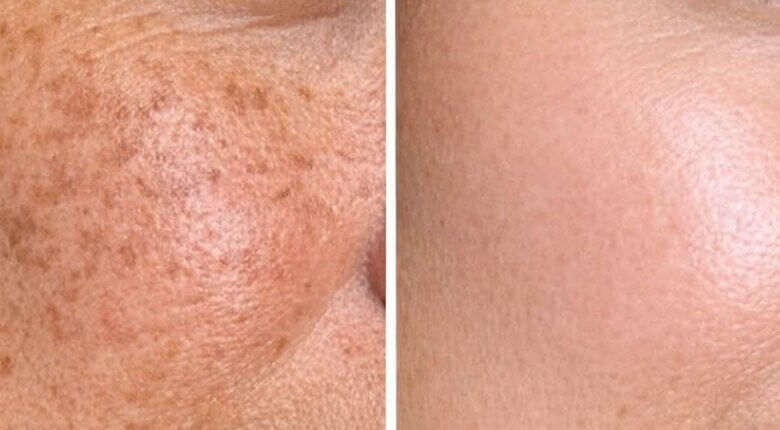
Every summer, many people notice that a healthy tan gradually turns into stubborn dark patches, uneven skin tone, or lingering post-acne marks. The cheeks are especially vulnerable because they receive the most sun exposure throughout the day. While countless DIY remedies promise overnight results, the truth is that safely fading discoloration takes consistency, patience, and the right skincare ingredients.
One of the most dermatologist-recommended leave-on ingredients for treating sunspots and uneven pigmentation is azelaic acid. It’s gentle enough for many sensitive skin types while offering multiple benefits beyond simply brightening the complexion.
What Is Azelaic Acid?
Azelaic acid is a naturally occurring dicarboxylic acid originally derived from grains such as wheat, barley, and rye. Today, skincare products use laboratory-purified azelaic acid to ensure stability and effectiveness.
Unlike harsh bleaching ingredients, azelaic acid works gradually to improve skin tone without damaging healthy skin.
It is especially beneficial for:
Sunspots
Post-inflammatory hyperpigmentation (dark acne marks)
Mild melasma
Redness
Rosacea-prone skin
Uneven texture
Acne breakouts
Why Do Summer Sunspots Develop?
Several factors contribute to dark spots appearing after summer.
1. Ultraviolet (UV) Radiation
Sunlight stimulates melanocytes—the cells responsible for producing melanin.
Too much UV exposure causes these cells to overproduce pigment, leading to:
Brown spots
Freckles becoming darker
Patchy pigmentation
Uneven complexion
2. Heat
Even without sunburn, excessive heat can worsen pigmentation, especially in people with melasma.
Heat increases inflammation inside the skin, encouraging excess pigment production.
3. Post-Acne Marks
A pimple that heals during summer often leaves behind a dark mark because inflammation combined with UV exposure makes pigmentation last longer.
4. Hormonal Changes
Hormones can trigger melasma, often appearing as symmetrical brown patches across the cheeks, forehead, or upper lip.
Sun exposure makes these patches darker.
How Azelaic Acid Works
Azelaic acid tackles discoloration through several different mechanisms.
It Reduces Excess Melanin
Azelaic acid slows down the activity of tyrosinase, an enzyme required to produce melanin.
Less melanin means dark spots gradually become lighter.
It Calms Inflammation
Inflammation stimulates pigment production.
Because azelaic acid reduces inflammation, it helps prevent new discoloration from forming.
It Gently Exfoliates
Rather than aggressively peeling the skin, azelaic acid encourages natural cell turnover.
Fresh skin cells gradually replace pigmented ones.
It Helps Prevent Acne
By reducing acne-causing bacteria and unclogging pores, azelaic acid helps prevent new breakouts—and the dark marks they often leave behind.
Which Strength Should You Choose?
10%
Best for:
Beginners
Sensitive skin
Mild pigmentation
Daily use
Usually available over the counter.
15%
Often available by prescription.
Best for:
Moderate pigmentation
Rosacea
Persistent redness
20%
Prescription strength.
Typically recommended for:
Stubborn hyperpigmentation
Melasma
Long-standing acne marks
How to Apply Azelaic Acid
Morning
Wash your face with a gentle cleanser.
Pat skin dry.
Apply a pea-sized amount to the entire face or affected areas.
Wait 1–2 minutes.
Apply moisturizer.
Finish with broad-spectrum SPF 30–50 sunscreen.
Evening
Cleanse.
Apply azelaic acid.
Follow with moisturizer.
Most people start once daily for 2–3 weeks before increasing to twice daily if tolerated.
Should You Leave It On Overnight?
Yes.
Azelaic acid is designed to remain on the skin.
Do not rinse it off after a few minutes.
Leaving it on overnight allows it to work gradually while minimizing irritation.
How Long Before You See Results?
Results vary depending on the cause of pigmentation.
Typical timeline:
2–4 weeks: Skin appears calmer and smoother.
6–8 weeks: Early fading of fresh dark spots.
8–12 weeks: More noticeable improvement in overall skin tone.
3–6 months: Significant reduction in stubborn discoloration with consistent use and daily sunscreen.
Ingredients That Pair Well With Azelaic Acid
For enhanced results, azelaic acid can often be combined with:
Niacinamide – Helps strengthen the skin barrier and brighten uneven tone.
Vitamin C – Provides antioxidant protection and supports brighter skin.
Hyaluronic acid – Keeps skin hydrated and reduces dryness.
Ceramides – Repair and strengthen the skin barrier.
Tranexamic acid – Often used for persistent pigmentation and melasma.
If you’re new to active skincare ingredients, introduce one product at a time to monitor your skin’s response.
Common Mistakes That Keep Dark Spots From Fading
Avoid these habits if you want faster improvement:
Skipping sunscreen
Picking at pimples
Using harsh scrubs
Over-exfoliating
Constantly switching skincare products
Expecting overnight results
Forgetting to moisturize
Spending long periods in direct midday sun
Daily Sunscreen Is Essential
Even the best brightening ingredient cannot overcome ongoing UV damage.
Choose a broad-spectrum sunscreen with SPF 30 or higher every morning, even on cloudy days or when staying indoors near windows.
Reapply every two hours during prolonged outdoor activities.
Lifestyle Tips for Healthier, Brighter Skin
Healthy skin starts from within. Try to:
Drink plenty of water throughout the day.
Eat colorful fruits and vegetables rich in antioxidants.
Sleep 7–9 hours each night.
Manage stress through regular exercise or relaxation techniques.
Avoid smoking, which accelerates skin aging and slows healing.
Possible Side Effects
Most people tolerate azelaic acid well, but mild side effects can occur during the first few weeks, including:
Temporary tingling
Mild burning
Dryness
Slight peeling
Itching
These effects usually improve as your skin adjusts. If severe irritation develops, reduce application frequency or consult a dermatologist.
Final Thoughts
When it comes to fading summer sunspots, post-acne marks, and uneven skin tone, there is no instant cure. However, azelaic acid stands out as one of the most effective and well-tolerated leave-on treatments available. Combined with daily sunscreen, a gentle skincare routine, and patience, it can gradually reveal a brighter, smoother, and more even-looking complexion over time.