Dealing with Gray Hair Naturally: A Complete Guide to Achieving Jet Black Hair

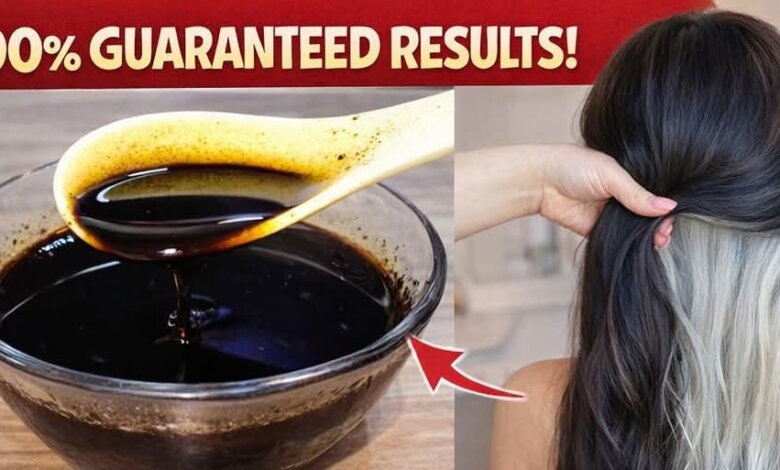
Dealing with Gray Hair Naturally: A Complete Guide to Achieving Jet Black Hair
Dealing with gray or white hair—whether it appears earlier than expected or as a natural part of aging—can be a significant source of stress. For many people, it affects self-confidence and how they feel about their appearance every time they look in the mirror. The constant need to cover visible roots, along with the high cost and time commitment of regular salon visits, often creates a frustrating cycle that feels hard to escape.
On top of that, frequent use of chemical hair dyes can lead to dryness, brittleness, and long-term damage. Over time, this can make hair look dull and unhealthy, adding even more concern to an already stressful situation. Because of this, many people are now searching for gentler, more natural alternatives.
One increasingly popular solution is using plant-based ingredients to achieve jet black hair naturally. These methods rely on traditional techniques that have been used for generations and are known for being less damaging while still providing effective gray coverage.
Why Gray Hair Causes So Much Stress
Gray hair is often associated with aging, which can impact how people perceive themselves both socially and professionally. Some of the most common concerns include:
Feeling older than your actual age
Loss of confidence in social or work environments
Uneven hair color due to frequent dyeing
Damage caused by repeated chemical treatments
These challenges can build up over time, making hair care feel like a constant struggle rather than a simple routine.
The Natural Solution: Plant-Based Hair Coloring
To avoid the downsides of chemical dyes, many people are turning to natural alternatives such as:
1. Henna (Lawsonia inermis)
Henna is a natural plant powder traditionally used for coloring hair. On its own, it gives a reddish-orange tint, but it also strengthens and conditions the hair.
2. Indigo (Indigofera tinctoria)
Indigo is another plant-based dye that produces a dark blue color. When used after henna, it creates a rich dark brown to jet black shade.
When combined properly, henna + indigo can produce beautiful, natural-looking black hair without harsh chemicals.
How the Process Works
Achieving jet black hair naturally usually involves a two-step method:
Step 1: Apply Henna
Mix henna powder with warm water (and optionally lemon juice or tea)
Apply evenly to clean hair
Leave it on for 2–4 hours
Rinse thoroughly (no shampoo immediately)
This step prepares the hair and creates a base for darker color.
Step 2: Apply Indigo
Mix indigo powder with warm water just before use
Apply over henna-treated hair
Leave for 1–2 hours
Rinse well
The result: a deep, natural black color that blends well with gray hair.
Benefits of Going Natural
Choosing plant-based hair coloring offers several advantages:
No harsh chemicals
Conditions and strengthens hair
Adds natural shine and thickness
Reduces long-term damage
More cost-effective over time
Things to Keep in Mind
Results may vary depending on your natural hair color
It may take a few applications to achieve the perfect shade
The process requires time and patience
Always do a patch test to avoid allergic reactions
Final Thoughts
Switching to natural methods for coloring your hair can be a game-changer. Not only does it help you achieve jet black hair naturally, but it also improves the overall health of your hair. While it may require a bit more effort than using chemical dyes, the long-term benefits make it a worthwhile choice for many people seeking a healthier and more sustainable beauty routine.