Men Over 45? Discover Simple Daily Habits That May Help Support Energy, Stamina, and Vitality Naturally

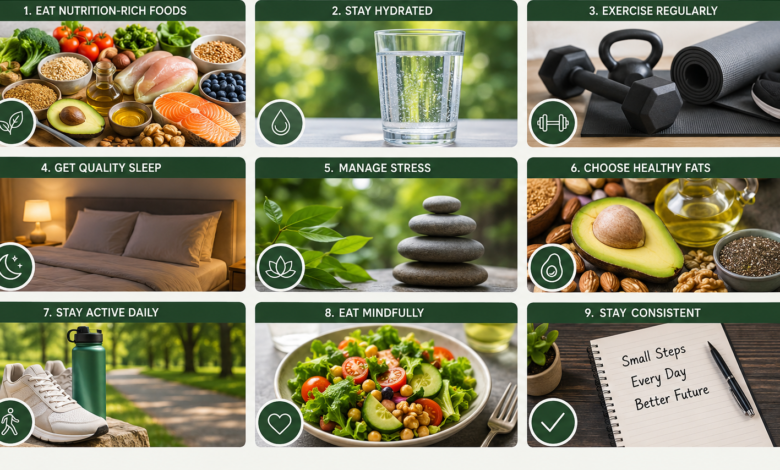
Men Over 45? Discover Simple Daily Habits That May Help Support Energy, Stamina, and Vitality Naturally
As men move beyond the age of 45, it’s common to notice gradual changes in energy levels, physical endurance, and overall motivation. Busy schedules, work stress, family responsibilities, and the natural aging process can all influence how energetic and active you feel from day to day.
The encouraging news is that maintaining energy and vitality doesn’t necessarily require expensive supplements or complicated routines. In many cases, small, consistent lifestyle improvements can help support healthy metabolism, muscle function, cardiovascular health, and overall well-being.
This guide explores evidence-based habits, nutritious foods, exercise strategies, and wellness practices that may help men over 45 stay active, strong, and energized naturally.
Why Energy Changes After 45
A gradual decline in energy is a normal part of aging. However, many of the factors responsible for fatigue are related to lifestyle rather than age alone.
Common contributors include:
Loss of muscle mass
Reduced physical activity
Poor sleep habits
Chronic stress
Nutrient deficiencies
Weight gain
Dehydration
Less efficient recovery after exercise
Natural age-related hormonal changes
The good news is that many of these factors can be improved through healthy daily habits.
1. Prioritize Protein at Every Meal
Protein becomes increasingly important with age because it helps preserve lean muscle, supports recovery, and promotes steady energy throughout the day.
Excellent protein sources include:
Eggs
Chicken breast
Turkey
Fish
Greek yogurt
Cottage cheese
Beans
Lentils
Tofu
Lean beef
Aim to include a quality protein source with breakfast, lunch, and dinner.
2. Eggs: A Nutritional Powerhouse
Eggs are one of the most nutrient-dense foods available.
They provide:
High-quality protein
Vitamin D
Choline
Selenium
Zinc
Vitamin B12
Riboflavin
These nutrients help support muscle maintenance, normal brain function, and healthy energy metabolism.
Enjoy eggs boiled, scrambled, poached, or in vegetable omelets.
3. Eat More Colorful Vegetables
Vegetables provide antioxidants, vitamins, minerals, and fiber that support overall health.
Choose a variety of colors such as:
Spinach
Broccoli
Bell peppers
Tomatoes
Carrots
Kale
Brussels sprouts
Sweet potatoes
Aim for at least half your plate to consist of vegetables at lunch and dinner.
4. Choose Healthy Fats
Healthy fats are essential for heart health, hormone production, and brain function.
Good sources include:
Avocados
Olive oil
Walnuts
Almonds
Pistachios
Pumpkin seeds
Chia seeds
Flaxseeds
Replace processed fats with healthier options whenever possible.
5. Include Omega-3 Rich Fish
Fatty fish contain omega-3 fatty acids that support heart and brain health.
Excellent choices include:
Salmon
Sardines
Trout
Mackerel
Herring
Try eating fish two to three times each week.
6. Stay Hydrated
Even mild dehydration can contribute to fatigue, headaches, and poor concentration.
Tips for better hydration:
Drink water regularly throughout the day.
Carry a reusable water bottle.
Increase water intake during hot weather or after exercise.
Limit sugary beverages.
Most men benefit from drinking enough fluids to keep urine pale yellow.
7. Don’t Skip Breakfast
A balanced breakfast helps replenish energy after an overnight fast.
Healthy breakfast ideas:
Eggs with vegetables
Greek yogurt with berries
Oatmeal topped with nuts
Whole-grain toast with avocado
Cottage cheese with fruit
Including protein and fiber can help maintain energy levels until lunch.
8. Exercise Regularly
Physical activity remains one of the most effective ways to improve energy and stamina.
A balanced routine includes:
Strength Training
Two to four sessions weekly help preserve muscle mass and support healthy metabolism.
Examples:
Squats
Push-ups
Resistance bands
Dumbbell exercises
Bodyweight workouts
Cardio
Aim for at least 150 minutes of moderate aerobic activity each week.
Good options include:
Brisk walking
Cycling
Swimming
Hiking
Dancing
Flexibility and Balance
Stretching and balance exercises can improve mobility and reduce injury risk.
Consider:
Yoga
Pilates
Tai Chi
9. Make Sleep a Priority
Quality sleep is essential for recovery, mental focus, and physical performance.
Helpful sleep habits include:
Maintain a consistent bedtime.
Limit screen time before bed.
Keep the bedroom cool and dark.
Avoid heavy meals late at night.
Reduce caffeine intake in the afternoon.
Most adults benefit from 7–9 hours of sleep each night.
10. Manage Daily Stress
Long-term stress can leave you feeling physically and mentally drained.
Healthy ways to reduce stress include:
Deep breathing
Meditation
Prayer
Walking outdoors
Gardening
Reading
Spending time with family and friends
Listening to music
Even 10–15 minutes of relaxation each day can make a difference.
11. Maintain a Healthy Weight
Excess body weight can contribute to lower energy and increase the risk of chronic health conditions.
Focus on sustainable habits:
Eat balanced meals.
Control portion sizes.
Stay active.
Avoid highly processed foods.
Limit sugary snacks and drinks.
Slow, steady progress is often more sustainable than restrictive diets.
12. Support Heart Health
Good circulation is important for physical endurance and overall vitality.
Heart-healthy habits include:
Exercising regularly
Eating more fruits and vegetables
Choosing whole grains
Limiting excess sodium
Avoiding tobacco
Moderating alcohol intake
Managing blood pressure and cholesterol with your healthcare provider
13. Spend Time Outdoors
Exposure to natural light can help regulate your body’s internal clock and support mood.
Outdoor activities may include:
Walking
Gardening
Cycling
Fishing
Hiking
Fresh air and sunlight also encourage regular movement.
14. Limit Highly Processed Foods
Foods high in added sugar and refined carbohydrates may lead to energy crashes.
Try replacing:
Sugary cereals
Candy
Soda
Pastries
Fast food
with:
Fresh fruit
Nuts
Whole grains
Lean proteins
Vegetables
15. Stay Mentally Active
Keeping your brain engaged supports cognitive health as you age.
Activities include:
Reading
Learning new skills
Crossword puzzles
Chess
Language learning
Playing a musical instrument
Mental stimulation contributes to overall well-being.
When to See a Healthcare Professional
Occasional tiredness is normal, but persistent fatigue may sometimes indicate an underlying health issue.
Consider speaking with a healthcare professional if you experience:
Severe or persistent fatigue
Unexplained weight loss
Chest pain
Shortness of breath
Significant changes in mood
Difficulty sleeping for several weeks
Loss of interest in normal activities
Regular checkups can help identify treatable conditions such as diabetes, anemia, thyroid disorders, sleep apnea, or nutritional deficiencies.
Final Thoughts
Growing older doesn’t mean giving up energy, strength, or an active lifestyle. For many men over 45, consistent healthy habits can make a noticeable difference in daily vitality.
Eating nutrient-rich foods, staying physically active, getting quality sleep, managing stress, and maintaining regular medical checkups all work together to support healthy aging.
Rather than looking for instant solutions, focus on small improvements you can maintain over time. Those daily choices often have the greatest impact on long-term health, stamina, and overall quality of life.
Disclaimer: This article is intended for educational purposes only and should not be considered medical advice. It is not intended to diagnose, treat, cure, or prevent any disease. Consult a qualified healthcare professional before making significant changes to your diet, exercise routine, or health regimen, especially if you have existing medical conditions or take prescription medications.