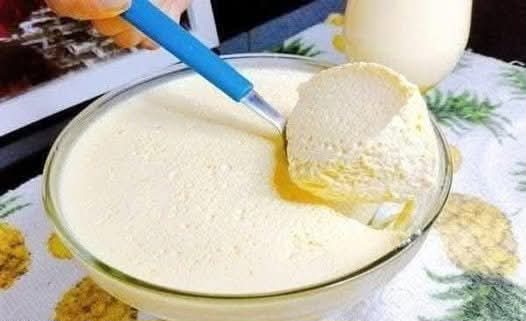
I Whipped a Freezing Cold Can of Evaporated Milk Instead of Heavy Cream — Here’s What Happened
Whipped cream is one of those simple kitchen pleasures that can instantly transform a dessert. A spoonful on hot chocolate, a swirl over pie, or a soft topping on fruit makes everything feel more indulgent. But what happens when you’re ready to cook and realize you don’t have any heavy whipping cream?
That was exactly the situation that led to this experiment. Instead of running to the store, I noticed a chilled can of evaporated milk sitting in the pantry. Curiosity took over: could evaporated milk behave like cream if it was whipped properly?
The Idea Behind the Experiment
Heavy whipping cream works so well because of its high fat content. When whipped, the fat traps air and creates that fluffy, stable texture we all recognize.
Evaporated milk, on the other hand, is regular milk with about 60% of the water removed. It’s thicker than normal milk but still much lower in fat than cream. On paper, it shouldn’t whip into anything close to whipped cream — but there are always kitchen surprises.
Preparing Everything
To give the experiment a fair chance, the can of evaporated milk was placed in the refrigerator until it became very cold. Temperature matters a lot in whipping dairy products: colder liquids hold structure better and trap air more effectively.
A mixing bowl was also chilled, and an electric mixer was prepared. The goal was simple: maximize the chance of incorporating air into the milk.
The Whipping Process
Once everything was ready, the cold evaporated milk was poured into the bowl and the mixer started.
At first, nothing special happened — just a thin, milky liquid moving around the bowl. But after a few minutes, small bubbles began to form. The mixture started to look slightly frothy, almost like a soft foam.
Encouraged, the whipping continued for about 10 minutes.
The Result After 10 Minutes
Instead of turning into thick whipped cream, the evaporated milk transformed into something much lighter:
A pale, airy foam formed on top
The texture was soft and unstable
It looked frothy, but not creamy or firm
It began to slowly collapse shortly after stopping the mixer
It was interesting, but it wasn’t whipped cream.
What This Means
The experiment shows an important kitchen truth: not all dairy products behave the same way.
Evaporated milk can:
Become slightly foamy when very cold
Trap some air during vigorous mixing
Look “whipped” for a short time
But it cannot:
Hold stiff peaks
Replace whipped cream in most dessert recipes
Maintain structure for long periods
Why It Almost Works (But Not Quite)
The partial success comes from the protein structure in milk. When agitated, proteins can trap air bubbles temporarily. However, without enough fat, those bubbles don’t stabilize.
That’s why whipped cream stays fluffy, while whipped evaporated milk eventually falls back into a liquid state.
Final Thoughts
This experiment is a great reminder that cooking is full of surprises. While evaporated milk can’t truly replace heavy cream, it can create a light, frothy topping in a pinch — especially for drinks like coffee or hot chocolate.
It may not be the perfect substitute, but it’s a fun example of how simple ingredients can behave in unexpected ways when you experiment in the kitchen.