Why Does Aldi Make Customers Pay for Shopping Carts?
Aldi, the popular grocery store chain, has a unique policy that often surprises new shoppers: customers are required to pay a small fee to use a shopping cart. While this might seem unusual at first glance, there are several practical reasons behind this system.
Encouraging Cart Returns
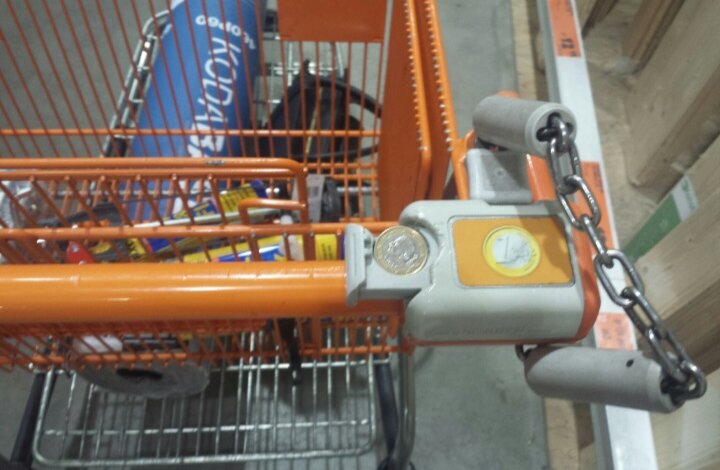
The primary purpose of Aldi’s shopping cart policy is to encourage shoppers to return carts after use. Customers typically insert a coin, often a quarter, to unlock a cart. Once they are finished shopping, they return the cart to a designated cart return area and retrieve their coin. This simple system motivates shoppers to return carts instead of leaving them scattered around the parking lot. By keeping carts organized, Aldi maintains a cleaner, safer, and more pleasant shopping environment for all customers.
Helping Keep Prices Low
The shopping cart fee also contributes to Aldi’s cost-saving strategy. As a discount grocer, Aldi aims to offer quality products at lower prices. Lost or damaged carts represent a hidden cost for stores. By encouraging customers to return carts through the coin deposit system, Aldi reduces losses and maintenance expenses. These savings help the store maintain its reputation for affordable pricing, allowing them to offer customers high-quality products without inflating costs.
Promoting Efficiency and Responsibility
Beyond financial benefits, the policy also fosters efficiency and responsibility among shoppers. Customers are less likely to abandon carts, which reduces labor needed for employees to gather scattered carts and minimizes potential damage to vehicles or property in the parking lot. This system also aligns with Aldi’s overall streamlined business model, which emphasizes simplicity, efficiency, and minimal waste.
A Simple Idea with Big Impact
While paying for a shopping cart might seem inconvenient at first, Aldi’s small fee system has a meaningful impact. It encourages responsible cart use, reduces operational costs, and ultimately supports the store’s commitment to low prices and an organized shopping experience. In this way, a simple quarter contributes to a smoother, more efficient, and cost-effective shopping experience for everyone.