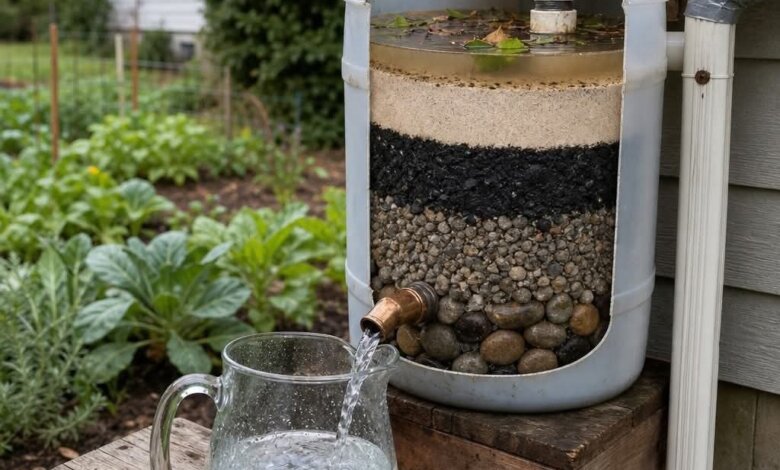
Your Roof Collects Hundreds of Gallons of Free Water Every Time It Rains: Here’s How to Filter and Use It Safely
Rainwater harvesting is one of the simplest and most effective ways to reduce water waste, lower utility costs, and make use of a natural resource that literally falls from the sky. Every time it rains, your roof can collect hundreds—or even thousands—of gallons of water that would otherwise run off into storm drains.
For gardeners, homesteaders, and anyone interested in sustainability, collecting rainwater can provide a reliable source of water for plants, landscaping, and other outdoor needs. With proper filtration and storage, harvested rainwater can also serve as an emergency backup water supply.
How Much Water Can a Roof Collect?
Many people are surprised by just how much water a roof can capture during a rainstorm.
A simple formula used by rainwater harvesting experts is:
Gallons Collected = Roof Area (sq ft) × Rainfall (inches) × 0.623
For example:
A 1,000-square-foot roof receiving 1 inch of rain can collect approximately 623 gallons of water.
A 2,000-square-foot roof can collect over 1,200 gallons from the same rainfall event.
Even a brief shower can generate enough water to fill multiple rain barrels.
Why Harvest Rainwater?
Collecting rainwater offers several benefits:
1. Reduces Water Bills
Using harvested rainwater for irrigation can significantly reduce municipal water consumption.
2. Supports Garden Health
Rainwater is naturally soft and free of many chemicals found in treated tap water, making it ideal for gardens.
3. Conserves Natural Resources
Capturing rainwater reduces demand on local water supplies and helps conserve groundwater reserves.
4. Reduces Stormwater Runoff
Harvesting rainwater helps decrease erosion, flooding, and pollution carried into local waterways.
5. Provides Emergency Water Storage
Stored rainwater can be valuable during droughts, water restrictions, or temporary service interruptions.
What Contaminants Can Be Found in Rainwater?
While rain itself is relatively clean, water can pick up contaminants as it flows across rooftops and gutters.
Common contaminants include:
Dust and dirt
Leaves and plant debris
Bird droppings
Insect remains
Pollen
Roofing particles
Airborne pollutants
Because of these contaminants, collected rainwater should be filtered before use.
Step 1: Install a First-Flush Diverter
One of the most important components of a rainwater harvesting system is a first-flush diverter.
The first few gallons of runoff from a roof typically contain the highest concentration of contaminants. A first-flush system automatically diverts this initial water away from the storage tank.
Benefits include:
Cleaner stored water
Reduced sediment buildup
Less maintenance
Step 2: Screen Out Large Debris
Before water enters your storage tank, install:
Gutter guards
Leaf screens
Mesh filters
These components help remove:
Leaves
Twigs
Insects
Large debris
Regular cleaning is essential for maintaining effectiveness.
Step 3: Use Sediment Filtration
For cleaner water, a sediment filter can remove smaller particles.
Common options include:
100-Micron Filters
Ideal for removing visible debris and larger particles.
20-Micron Filters
Capture finer sediment and suspended particles.
5-Micron Filters
Provide even greater filtration for cleaner water.
The finer the filter, the cleaner the water becomes.
Step 4: Consider Activated Carbon Filtration
Activated carbon filters can help reduce:
Odors
Organic compounds
Certain chemicals
Unpleasant tastes
These filters are often used when rainwater is intended for more sensitive applications.
Step 5: Disinfect When Necessary
If rainwater may be used for emergency drinking purposes, additional treatment is required.
Common disinfection methods include:
UV Sterilization
Uses ultraviolet light to destroy microorganisms.
Boiling
A simple emergency method that kills most harmful pathogens.
Approved Water Treatment Systems
Specialized systems may include multiple filtration stages and disinfection technologies.
Always follow local regulations and public health guidance regarding potable water use.
Choosing the Right Storage Tank
Rainwater can be stored in:
Rain barrels
Plastic cisterns
Metal tanks
Underground storage systems
When selecting a storage container:
Use food-grade materials when appropriate.
Keep tanks covered to prevent contamination.
Install mosquito-proof screens.
Place tanks on stable, level surfaces.
Protect stored water from direct sunlight when possible.
Best Uses for Harvested Rainwater
Filtered rainwater is commonly used for:
Watering gardens
Irrigating lawns
Greenhouse watering
Livestock watering (where regulations permit)
Washing vehicles
Outdoor cleaning
Toilet flushing (with proper system design)
Maintenance Tips
To keep your system working efficiently:
Clean gutters regularly.
Inspect filters after storms.
Empty and rinse rain barrels periodically.
Remove accumulated sediment.
Check screens for damage.
Monitor storage tanks for leaks.
Routine maintenance improves water quality and extends the life of the system.
Is Rainwater Harvesting Worth It?
For many homeowners, gardeners, and homesteaders, the answer is yes. Rainwater harvesting can provide a sustainable source of water while reducing utility costs and supporting environmental conservation efforts.
A single rainstorm can deliver hundreds of gallons of usable water to your roof. With proper collection, filtration, and storage, that free resource can become an important part of a resilient and efficient home water system.
The next time it rains, remember: your roof may be collecting hundreds of gallons of valuable water that can be captured, filtered, and put to good use instead of simply washing away.