DIY All-Purpose Floor Cleaner (Safe & Effective)
This simple homemade floor cleaner is popular because it uses basic household ingredients that cut grease, remove dirt, and dry quickly without leaving streaks. It works well on many common floor types such as tile, vinyl, laminate, sealed hardwood, and linoleum—but always spot-test in a hidden area first to make sure it doesn’t affect the finish.
Ingredients
1 gallon warm water
½ cup white vinegar (do not use on natural stone or waxed wood)
¼ cup rubbing alcohol (70%)
1–2 tablespoons liquid castile soap (such as Dr. Bronner’s)
Optional: 10–15 drops essential oil (lemon, lavender, or tea tree)
How to Make the Cleaner
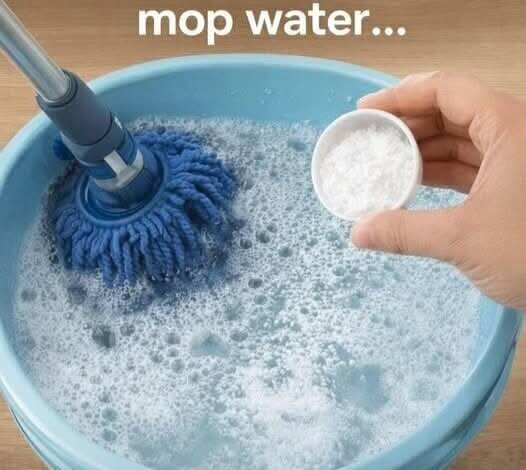
Fill a large bucket with 1 gallon of warm water.
Add ½ cup white vinegar.
Pour in ¼ cup rubbing alcohol.
Add 1–2 tablespoons liquid castile soap.
If you like a light scent, add 10–15 drops essential oil.
Stir gently to mix everything together.
Your cleaner is now ready to use.
How to Use It (Step-by-Step)
Sweep or vacuum first
Remove dust, hair, and debris so you don’t spread dirt while mopping.
Dip your mop into the solution
A microfiber mop works best because it traps dirt effectively.
Wring the mop well
The mop should be damp, not dripping—especially important for wood or laminate floors.
Mop the floor normally
Work in small sections and rinse the mop in the bucket when it becomes dirty.
Let the floor air-dry
Because the alcohol evaporates quickly, the floor should dry fast and streak-free.
No rinsing required
The solution is mild enough to leave on the floor.
Why This Cleaner Works
White Vinegar – Helps dissolve mineral deposits, light soap scum, and grime.
Rubbing Alcohol – Cuts grease and evaporates quickly, helping floors dry faster with fewer streaks.
Castile Soap – A gentle soap that lifts dirt and oils without leaving sticky residue.
Essential Oils (optional) – Add a fresh scent. Some have mild antibacterial properties, but they mainly improve smell rather than disinfect.
Surfaces Where Vinegar Should NOT Be Used
Avoid using the vinegar version on:
Natural stone floors (marble, granite, travertine)
Unsealed hardwood floors
Waxed wood floors
Concrete floors (vinegar may slowly damage the surface)
Alternative Cleaner for Sensitive Floors
For floors that shouldn’t come into contact with vinegar (like delicate hardwood or stone), use this gentler mix:
Ingredients
1 gallon warm water
¼ cup rubbing alcohol
1 tablespoon mild dish soap (such as fragrance-free dish soap)
Optional: 5 drops essential oil
Use
Mop lightly with a well-wrung microfiber mop, just like the main recipe.
Pro Tips for Cleaner Floors
Place doormats inside and outside entrances to trap dirt.
Remove shoes indoors—this can reduce tracked-in dirt by up to 80%.
Sweep or vacuum daily to prevent grit from scratching floors.
Use microfiber mops instead of string mops for better dirt removal.
Cleaning Mistakes to Avoid
Baking soda + vinegar together – They neutralize each other and lose cleaning power.
Undiluted vinegar – Too strong and can damage finishes over time.
Oil-based “polish” mixes (like olive oil) – Leave a greasy film that attracts dust.
The Bottom Line:
There isn’t a miracle cleaner that works perfectly on every surface, but this simple homemade floor cleaner is affordable, easy to make, and effective for most sealed floors when used correctly.