Plantar Fasciitis Relief: Simple Daily Stretches to Ease Heel Pain Naturally

Plantar Fasciitis Relief: Simple Daily Stretches to Ease Heel Pain Naturally
If you wake up with sharp heel pain during your first steps in the morning, you may be dealing with Plantar Fasciitis. This common foot condition affects millions of people and can make walking, exercising, or even standing uncomfortable.
The good news? Gentle daily stretches and simple lifestyle changes can help reduce pain, improve flexibility, and support healing over time.
What Is Plantar Fasciitis?
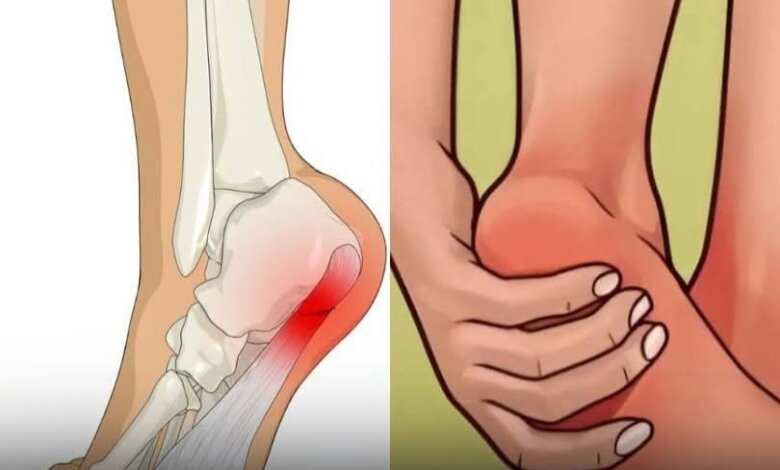
Plantar fasciitis occurs when the plantar fascia — a thick band of tissue running along the bottom of your foot — becomes inflamed. This tissue connects your heel bone to your toes and supports the arch of your foot.
When this tissue is irritated due to overuse, tight calf muscles, poor footwear, prolonged standing, or sudden increases in activity, it can lead to stabbing heel pain, especially in the morning or after long periods of rest.
Common Symptoms
Sharp pain near the heel
Pain during the first steps after waking up
Discomfort after standing for long periods
Tightness in the foot or calf muscles
Pain that improves slightly with movement but returns later
Before You Start: Important Tips
Before beginning these stretches, keep these simple guidelines in mind:
Be consistent — daily stretching works best
Never push through sharp pain
Warm up your feet with a short walk or warm foot soak
Stretch both feet, even if only one hurts
Wear supportive shoes throughout the day
Exercise 1: Calf Stretch (The Essential First Step)
Tight calf muscles place extra strain on the plantar fascia. Stretching the calves helps reduce tension and improve flexibility.
How to Do It
Stand facing a wall.
Place your hands on the wall at shoulder height.
Step one foot back, keeping the heel flat on the floor.
Bend your front knee while keeping the back leg straight.
Lean forward until you feel a stretch in the calf.
Hold for 30 seconds.
Repeat 3 times on each side.
Exercise 2: Plantar Fascia Stretch
This stretch directly targets the tissue causing the pain.
How to Do It
Sit in a chair.
Cross one foot over the opposite knee.
Grab your toes and gently pull them toward your shin.
You should feel a stretch along the bottom of your foot.
Hold for 20–30 seconds.
Repeat 3–5 times per foot.
Exercise 3: Towel Stretch
This simple morning stretch can help loosen the foot before getting out of bed.
How to Do It
Sit with your legs extended.
Wrap a towel around the ball of your foot.
Gently pull the towel toward you while keeping your knee straight.
Hold for 30 seconds.
Repeat 3 times on each foot.
Exercise 4: Frozen Water Bottle Roll
This exercise combines massage and cold therapy to reduce inflammation.
How to Do It
Freeze a water bottle.
Place it on the floor under your foot.
Roll your foot back and forth over the bottle for 5–10 minutes.
Apply gentle pressure without causing pain.
Exercise 5: Toe Curls with a Towel
Strengthening the small muscles in your feet can improve support and stability.
How to Do It
Place a towel flat on the floor.
Sit in a chair with your foot on the towel.
Use your toes to scrunch the towel toward you.
Repeat for 1–2 minutes.
Additional Tips for Faster Relief
Avoid walking barefoot on hard floors
Replace worn-out shoes
Use supportive insoles if needed
Rest your feet after long activity
Maintain a healthy body weight to reduce foot pressure
When to See a Doctor
If your heel pain lasts longer than a few weeks, becomes severe, or interferes with daily activities, consult a healthcare professional or physical therapist for proper evaluation and treatment.
Final Thoughts
Plantar fasciitis can be frustrating, but small daily habits often make a big difference. Gentle stretching, supportive footwear, and consistency can help reduce pain and improve mobility naturally over time.
Take care of your feet — they carry you every day.