The Complete Guide to Proper Food Storage
Reduce Waste • Save Money • Keep Food Fresher Longer
Proper food storage is one of the simplest ways to stretch your grocery budget and keep meals tasting their best. By managing temperature, moisture, and airflow, you can dramatically extend the life of fruits, vegetables, bread, cheese, and more.
Here’s your complete guide.
1️⃣ Storing Fruits Properly
Different fruits release varying amounts of ethylene gas, which speeds ripening. Separating certain fruits helps prevent spoilage.
Berries
Do not rinse before storing (moisture causes mold).
Store in a breathable container lined with paper towels.
Keep in the refrigerator crisper drawer.
Wash just before eating.
Bananas
Store at room temperature.
Wrap stems in plastic wrap or foil to slow ethylene release.
Keep away from other fruits.
Freeze overripe bananas for baking or smoothies.
Apples
Refrigerate in the crisper drawer.
Store away from other fruits and vegetables (apples release ethylene gas).
For sliced apples, store in airtight containers with a little lemon juice.
2️⃣ Keeping Vegetables Fresh
Vegetables vary widely in moisture and temperature needs.
Refrigerated Vegetables
Leafy Greens (lettuce, spinach, kale)
Wash and dry thoroughly.
Store in airtight containers or plastic bags.
Add a paper towel to absorb excess moisture.
Carrots, Celery & Radishes
Remove rubber bands and leafy tops.
Store in water-filled jars (change water every 2–3 days) or sealed bags.
Broccoli & Cauliflower
Store in the crisper drawer.
Use perforated plastic bags for airflow.
Avoid sealing tightly.
Room Temperature Vegetables
Store in a cool, dark, well-ventilated area:
Potatoes
Onions
Garlic
Butternut squash
Acorn squash
Avoid refrigerating potatoes — cold converts starches into sugars.
Store potatoes and onions separately.
Special Storage Tips
Fresh Herbs
Tender herbs (cilantro, parsley, dill):
Trim stems.
Place in a jar with 1 inch of water.
Cover loosely with plastic.
Refrigerate.
Hardy herbs (rosemary, thyme, oregano):
Wrap in damp paper towels.
Store in sealed bags in the fridge.
Mushrooms
Store in a paper bag in the refrigerator.
Avoid plastic bags.
Do not wash until ready to cook.
3️⃣ Preserving Bread and Baked Goods
Bread:
Store at room temperature in a bread box or sealed bag for 2–3 days.
Avoid refrigeration (it causes faster staling).
Freeze for long-term storage (slice first).
Baked Goods:
Cookies: Airtight container at room temperature.
Cakes: Cover tightly; refrigerate only if dairy frosting.
Muffins: Store 2–3 days at room temp or freeze.
4️⃣ Storing Cheese Properly
Cheese needs airflow but also protection from drying out.
Hard Cheeses (cheddar, parmesan, gouda):
Wrap in parchment or wax paper first.
Then loosely wrap in plastic wrap or place in a container.
Store in the fridge cheese drawer or vegetable drawer.
Soft Cheeses (mozzarella, brie, goat cheese):
Keep in original packaging or airtight container.
Store in the refrigerator.
Consume within recommended dates.
Shredded Cheese:
Keep sealed tightly.
Add a paper towel inside the container to absorb excess moisture if needed.
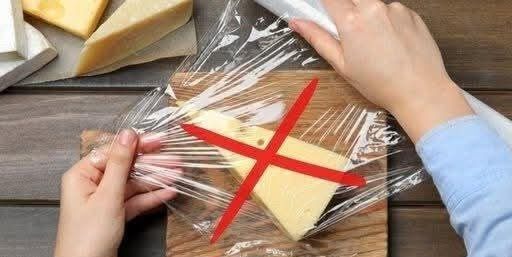
Avoid wrapping cheese tightly in plastic alone—it traps moisture and encourages mold.
5️⃣ Leftovers and Cooked Foods
Refrigerate within 2 hours of cooking.
Store in airtight containers.
Label with dates.
Consume within 3–4 days.
Freeze for longer storage.
Final Thoughts
Smart food storage helps you:
✔ Reduce waste
✔ Save money
✔ Preserve flavor
✔ Maintain freshness
✔ Improve food safety
By understanding temperature, moisture control, and airflow needs, you can significantly extend the life of your groceries and enjoy better-quality meals every day.