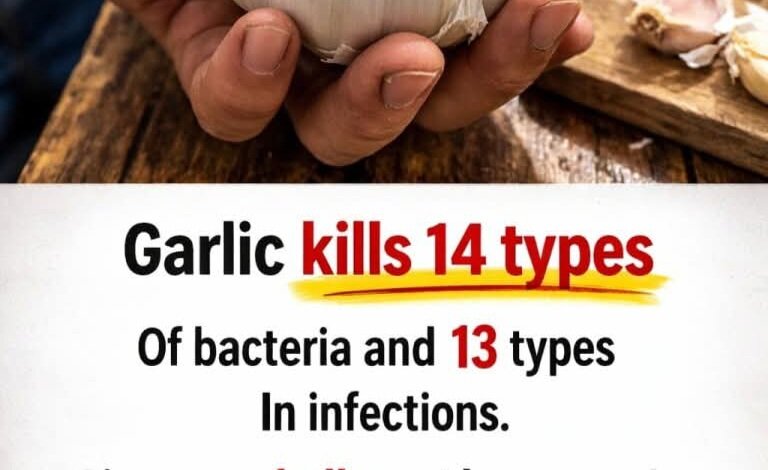
Garlic: The Natural Antibiotic That Helps Fight Infections
Garlic has long been celebrated as a “miracle food,” valued not only for its bold flavor but also for its medicinal benefits. For centuries, cultures around the world have used garlic as a natural remedy for infections and overall wellness. Today, modern science supports some of these traditional uses—especially its role in supporting the immune system and helping the body defend against harmful microbes.
But is garlic really a “natural antibiotic”? The answer is more nuanced. Garlic does contain powerful compounds that can help fight bacteria and support health, but it should complement—not replace—proper medical treatment when needed. Let’s explore what makes garlic so effective.
🌿 Why Garlic Is So Powerful
Garlic’s strength lies in its unique sulfur-containing compounds, especially one called allicin. When garlic is crushed or chopped, allicin forms and becomes the active component responsible for many of its health benefits.
1. Allicin: The Key Ingredient
Allicin has been shown in laboratory studies to have antimicrobial properties. It can help inhibit the growth of certain bacteria, fungi, and even some viruses. While raw garlic contains the most allicin, cooking can reduce its potency.
How Garlic Fights Bacteria
Garlic doesn’t act exactly like pharmaceutical antibiotics, but it supports the body in several important ways:
2. Broad Antimicrobial Action
Research suggests garlic can act against a wide range of microorganisms, including some strains of bacteria that are resistant to antibiotics. It works by damaging the outer layers of microbes and interfering with their ability to grow and multiply.
3. Immune System Support
Garlic helps stimulate the immune system by enhancing the activity of white blood cells. This allows your body to respond more effectively to infections.
4. Anti-Inflammatory Effects
Inflammation is a key part of many illnesses. Garlic contains compounds that can help reduce inflammation, which may ease symptoms and support recovery.
What the Science Really Says
While studies show promising antimicrobial effects, it’s important to be realistic:
Most strong evidence comes from lab (in vitro) studies, not large human trials
Garlic may help prevent or support recovery, but it is not a cure-all
It should not replace prescribed antibiotics for serious infections
Think of garlic as a supportive, natural addition to a healthy lifestyle—not a standalone treatment.
How to Use Garlic for Health
If you want to benefit from garlic’s properties, here are some simple ways to include it in your routine:
5. Eat It Raw (Best for Potency)
Crush or chop garlic and let it sit for 5–10 minutes before eating. This allows allicin to fully develop.
6. Add to Meals
Use garlic in soups, sauces, roasted vegetables, and meats. While cooking reduces some potency, it still provides benefits.
7. Garlic with Honey
A popular home remedy combines crushed garlic with honey, often used to soothe sore throats and mild infections.
8. Supplements
Garlic capsules are available, but their effectiveness can vary depending on how they are processed.
Precautions and Side Effects
Garlic is generally safe, but keep these points in mind:
Eating large amounts may cause stomach upset or heartburn
It can thin the blood, so be cautious if you take blood-thinning medications
Raw garlic may be too strong for some people
If you have a medical condition or are taking medication, it’s always best to consult a healthcare professional.
Final Thoughts
Garlic is a powerful natural food with real health benefits. Its antimicrobial and immune-supporting properties make it a valuable addition to your diet, especially during cold and flu season. However, it’s not a replacement for modern medicine when dealing with serious infections.
By incorporating garlic into your meals regularly, you can take advantage of one of nature’s most impressive health-boosting ingredients—simple, affordable, and time-tested.